What Is PKD?
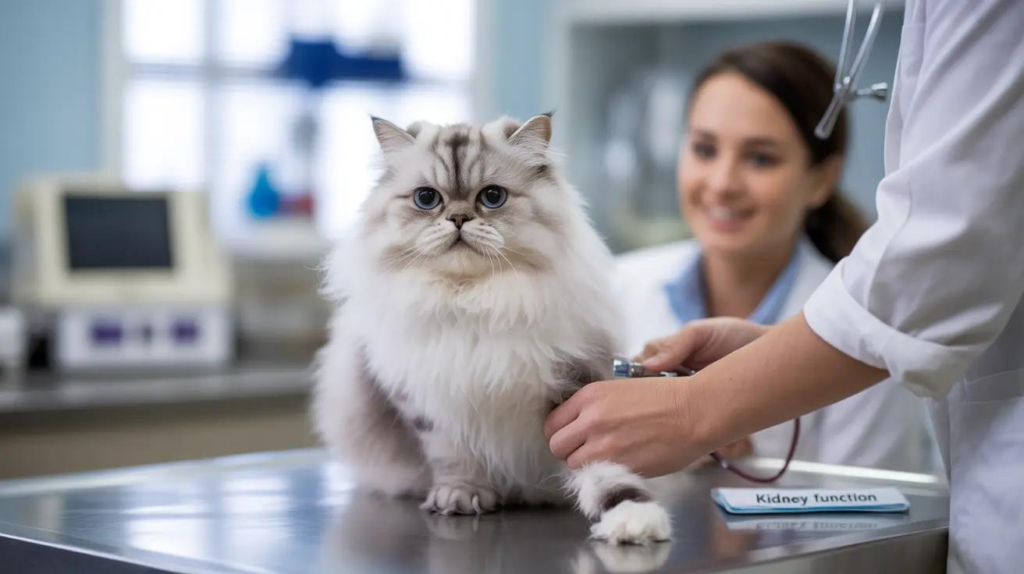
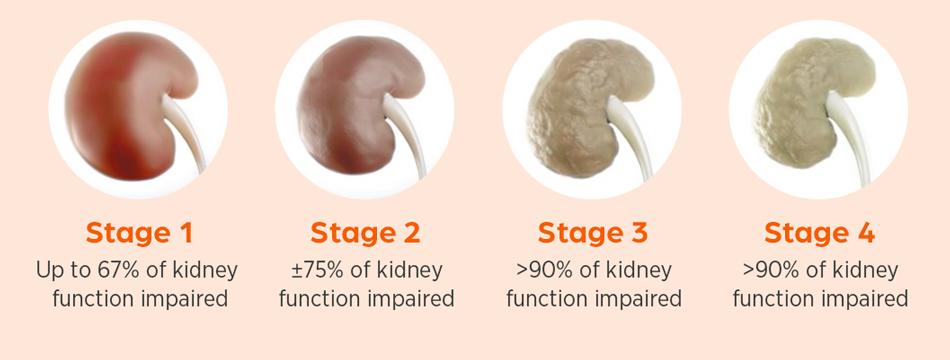
Polycystic Kidney Disease (PKD) is a condition where fluid-filled cysts develop in a cat’s kidneys. Over time, these cysts can grow and interfere with normal kidney function.
PKD is most commonly associated with breeds like the Persian cat, but it can appear in other breeds and mixed-breed cats as well.
The Truth About PKD Testing
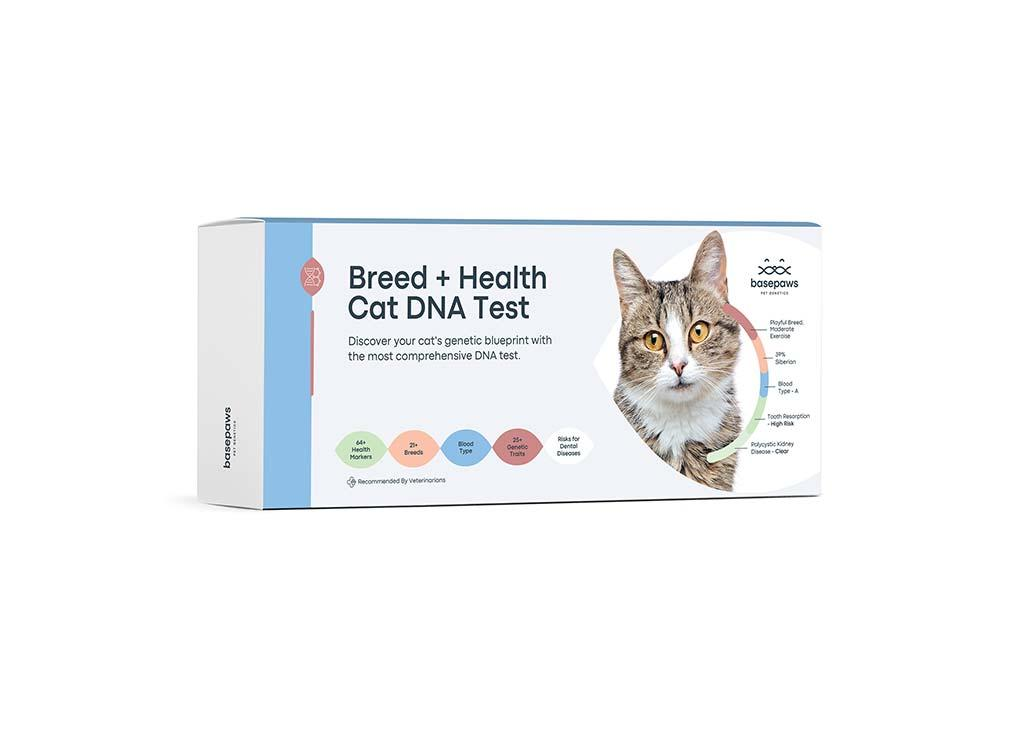
Many breeders and owners rely on DNA testing to screen for PKD—and that’s a great start.
However, here’s the important part most people don’t realize:
👉 Standard PKD DNA tests only detect the known PKD1 mutation.
That means:
- A cat can test negative for PKD1
- Yet still develop other forms of cystic kidney disease
These less common or currently unidentified variants:
- May not be detectable through current genetic testing
- Can develop later in life
- May only be discovered through imaging, such as ultrasound
So while testing is valuable, it is not a 100% guarantee.
Are There Different Types of PKD?
Yes—this is where things get more complex.
While PKD1 is the most well-known and researched form, there are:
- Other cystic kidney conditions
- Variants that may not yet be fully identified or testable
- Cases that mimic PKD but are not genetically identical
This is why some cats with “negative” genetic tests may still develop kidney-related concerns later on.
Signs to Watch For
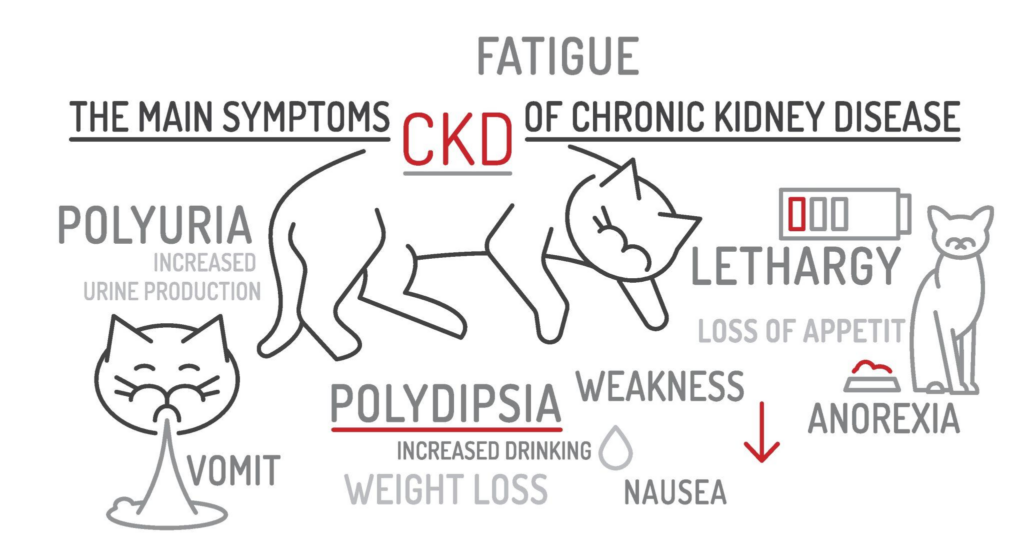
Early PKD often shows no symptoms, but as it progresses, you may notice:
- Increased thirst
- Frequent urination
- Weight loss
- Decreased appetite
- Lethargy
Because signs can be subtle, routine monitoring is key.
How to Support Kidney Health
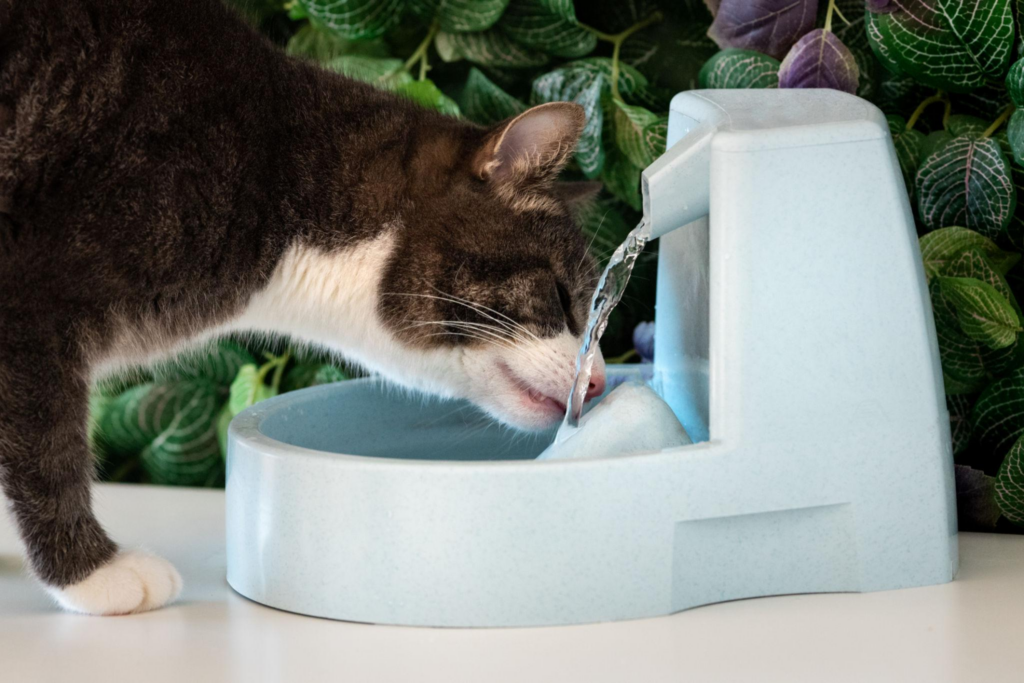
Even though not all forms of PKD can be prevented, there are proactive steps you can take to support your cat’s kidney health:
Prioritize Hydration
- Use water fountains to encourage drinking
- Incorporate wet food into the diet
- Offer hydration supplements if needed
Feed a Quality Diet
- Focus on high-quality, balanced nutrition
- Avoid excessive fillers or low-grade ingredients
Schedule Regular Vet Visits
- Annual (or biannual) exams
- Bloodwork to monitor kidney function
- Ultrasounds if recommended
Reduce Stress
- Maintain a calm, stable environment
- Avoid sudden changes when possible
PKD is a complex condition—and while genetic testing has come a long way, it doesn’t tell the whole story.
The key takeaway:
- Testing is helpful, but not absolute
- Awareness and proactive care matter just as much
- A well-cared-for cat can still live a happy, fulfilling life
Being informed allows you to make the best decisions for your cat—now and in the future.
Want to learn more about keeping your cat healthy long-term? Click here